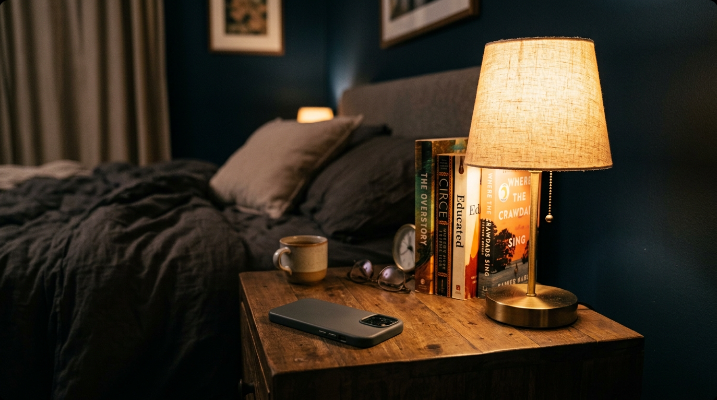
I deleted TikTok on a Friday night, the way people quit smoking: dramatically, at midnight, with a mental speech about reclaiming my attention. I expected the first few days to be the hardest and the rest to be easy, my brain gradually forgetting the app existed. That is not what happened. What actually happened is that I missed one specific thing, intensely, for nearly the entire thirty days, and it wasn’t the videos, the creators, or even the scrolling itself. It was the algorithm’s uncanny ability to know what I wanted to watch before I did, and losing that made me realize how much I had outsourced a small, strange part of my own taste to a piece of software.
Why Thirty Days, and Why I Actually Did It
I’d tried “cutting back” on TikTok for about a year, the way most people try to cut back on anything: app timers I overrode within a week, moving the icon off my home screen, promises made to myself on Sunday nights. None of it stuck, because none of it removed the app entirely. I was averaging just under two hours a day on it according to my phone’s own screen time report, which is a genuinely uncomfortable number to see written down. So I deleted the app completely, logged out everywhere, and gave myself one rule: thirty days, no exceptions, no “just checking something someone sent me” on a browser tab instead.
The First Week: Boredom I Wasn’t Prepared For
The first three or four days were about what I expected. I reached for my phone in the specific micro-moments where TikTok used to live: waiting for coffee to brew, standing in a grocery line, the ten minutes before falling asleep. Without the app there, that reaching turned into just holding a phone with nothing to do, which is a strange, slightly uncomfortable sensation once you notice it happening. I filled some of that time with other apps, which defeats part of the purpose, but I also noticed real boredom for the first time in longer than I could remember. Not the productive kind of boredom that leads to a good idea. Just flat, empty, waiting-room boredom. I’d forgotten that was a normal human experience.

What I Actually Missed, Once the Boredom Faded
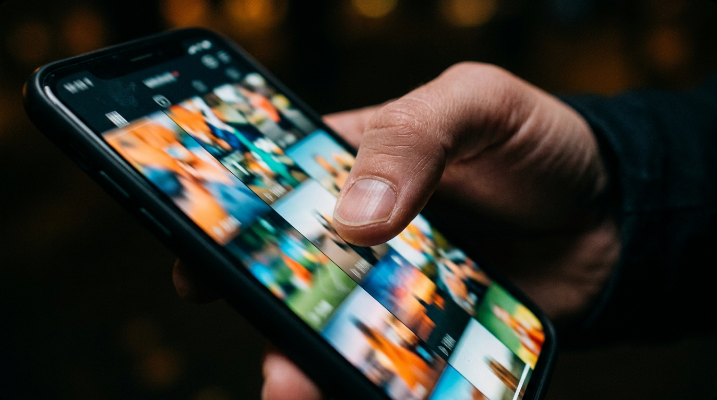
By the second week, the reflexive reaching had mostly stopped, and something more specific took its place: I missed being shown things I didn’t know I wanted. Other platforms I still used, a search engine, a shopping app, even other social apps, all required me to know what I was looking for. TikTok’s entire design was built around the opposite premise: it showed me things before I had a query for them, and it was disturbingly good at it. I’d think about a niche hobby for thirty seconds in real life, open the app days earlier out of habit, and get served content on exactly that hobby without ever having searched for it. That specific kind of surprise, the algorithm anticipating an interest I hadn’t articulated even to myself, was the thing no other app in my life replicated, and its absence created a real, if slightly embarrassing, sense of loss.
The Uncomfortable Realization About My Own Taste
Somewhere around day eighteen, I had a genuinely uncomfortable thought: I wasn’t sure how much of what I considered “my taste” in music, humor, and niche interests over the past two years had originated with me versus been shaped by what the algorithm kept surfacing. That’s not a complaint about TikTok specifically so much as an honest reckoning with what a sufficiently good recommendation system does to a person over enough time. It doesn’t just predict your taste. Given two years and two hours a day, it participates in building it. I don’t think that makes the taste less “mine” in some philosophical sense, but it did make me want to understand the mechanism better instead of just missing its output.
How the “For You” Algorithm Actually Works, Briefly
Without getting too deep into technical territory I’m not qualified to fully unpack, the core idea is straightforward: the system tracks extremely granular signals, watch time down to the fraction of a second, rewatches, whether you paused on a specific frame, and weighs those far more heavily than explicit signals like follows or likes. It doesn’t need you to tell it what you like. It just needs to watch what you actually do, frame by frame, and it updates within single-digit numbers of videos rather than requiring weeks of data the way older recommendation systems did. That speed is exactly why quitting felt like losing something responsive and alive rather than losing a static library of content I could find again elsewhere.
What Didn’t Come Back When I Tried Substitutes
Around day twenty, I tried to fill the gap deliberately, using Instagram Reels and YouTube Shorts as substitutes since they’re structurally similar short-form feeds. Neither one replicated the feeling. Reels felt like it was still calibrated primarily on my Instagram following graph and my existing photo-sharing habits, not a clean read of my raw attention. YouTube Shorts felt like it was drawing from my long-form watch history, which meant it was accurate about my established interests but never surprised me the way TikTok did. Neither substitute failed because it was a worse app in some general sense. They failed because each platform’s recommendation engine had been trained on a different slice of my behavior, and TikTok’s slice happened to be the widest and least filtered by any social graph at all.
A Real Comparison: My Three Feeds, Side by Side
I kept informal notes for a week comparing what each app showed me from a cold, logged-in-but-inactive state. TikTok, before I deleted it, would surface content from creators I’d never followed, on topics I’d shown only fleeting interest in, within the first ten videos of a session. Instagram Reels stayed close to accounts I already followed or that my followed accounts engaged with, rarely straying into genuinely new territory. YouTube Shorts pulled almost entirely from channels adjacent to my long-form subscriptions. The practical difference is that TikTok optimized purely for engagement prediction with almost no social graph weighting, while the other two were still partially anchored to who I already followed. That’s a real design choice with real consequences, and it explains exactly why deleting TikTok specifically, rather than short-form video generally, was what created the gap I felt.
What Thirty Days Off Actually Changed
My screen time dropped by roughly ninety minutes a day, most of which didn’t get reabsorbed by other apps, which surprised me. I read four books that month, more than I’d read in the previous six combined. I also noticed my attention span for longer videos and even long-form articles improved noticeably by week three, in a way that felt physical rather than just anecdotal, like a muscle that had been given a rest. I don’t want to overstate this into a redemption narrative. I still spent plenty of time on my phone. But the specific quality of restlessness that used to send me reaching for TikTok every few minutes genuinely faded, and it hasn’t fully come back even after the thirty days ended.
Did I Go Back?
Yes, on day thirty-one, and I want to be honest about why: not out of weakness, but because a close friend runs a small business that markets almost exclusively through TikTok, and staying off entirely meant missing content I’d told her I’d help promote. I reinstalled it, and the algorithm needed roughly a week to fully “re-learn” me, based on how generic the first several sessions felt before it snapped back into the eerily specific version I remembered. That week of readjustment was its own small piece of evidence about how much personalization had accumulated over two years, and how quickly a system like that can partially reset once its signal goes quiet.
What I Do Differently Now
I didn’t delete it again, but I changed my relationship to it in three specific ways. First, I moved it off my home screen permanently, so opening it requires a deliberate search rather than a muscle-memory tap. Second, I set a genuine daily time limit through my phone’s built-in tools rather than the app’s own limit feature, since the platform’s own tools are, unsurprisingly, easy to dismiss. Third, and this is the change that mattered most, I started asking myself once a week whether I could name something specific I’d learned or enjoyed from the app that week, versus just having used it. On weeks where the honest answer is “not really,” I take a few days off, deliberately, to recalibrate.
The Habit Loop Nobody Warns You About
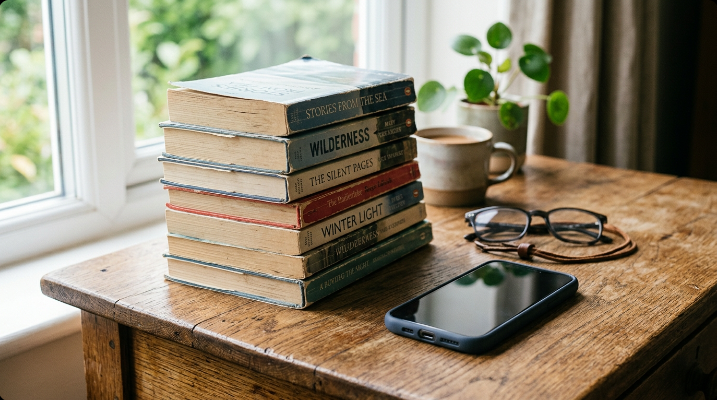
What surprised me most, looking back, wasn’t the algorithm itself but how physical the withdrawal felt. I’d pick up my phone in line at the grocery store, thumb already moving toward where the icon used to be, find nothing there, and feel a small flash of something close to panic. That reflex took almost three weeks to fully fade, which is longer than most people expect when they hear “just delete the app.” The muscle memory of the scroll, the specific downward flick of the thumb, outlasted my actual desire to see more videos by at least ten days.
I also noticed how much the app had been filling small gaps in my day that I hadn’t consciously scheduled for it: the elevator ride, the microwave timer, the seconds between finishing one email and opening the next. Losing TikTok didn’t free up some large block of time I could point to. It freed up dozens of thirty-second gaps that I mostly just sat in. Some days that felt uncomfortable. Other days it felt like the first real quiet I’d had in years.
If someone told me they were thinking about doing a similar month off, I’d tell them to expect the first ten days to be the hardest, and to expect the app to try to win them back the moment they reinstall it. My For You page needed less than an hour to fully recalibrate to my old habits, which tells you something about how little goodwill these systems actually extend to a break. It doesn’t forget. It just waits.
The Algorithm I Missed Isn’t Going Anywhere
I think the most useful thing I took from this month wasn’t a lesson about willpower or discipline. It was a clearer picture of exactly what these systems are optimized to do, and how effective they’ve become at it. TikTok’s recommendation engine isn’t magic, and it isn’t malicious in some cartoonish sense. It’s an extremely well-built prediction system that happens to be good enough at anticipating what will hold my attention that going without it, even for something as universal as boredom, felt like a real loss rather than a relief. That’s worth sitting with, not because the answer is necessarily to delete the app forever, but because understanding exactly what you’re missing, and why, is a much better starting point for using it deliberately than either mindless scrolling or a dramatic midnight deletion ever was for me.
