A government whose currency is collapsing and whose top negotiator is openly mocking the country pressuring it doesn’t sound like a government preparing to fold. That’s the contradiction sitting at the center of Iran’s response to Washington’s newest sanctions push: real economic pain, paired with a defiance that shows no sign of cracking.
Where Things Stand
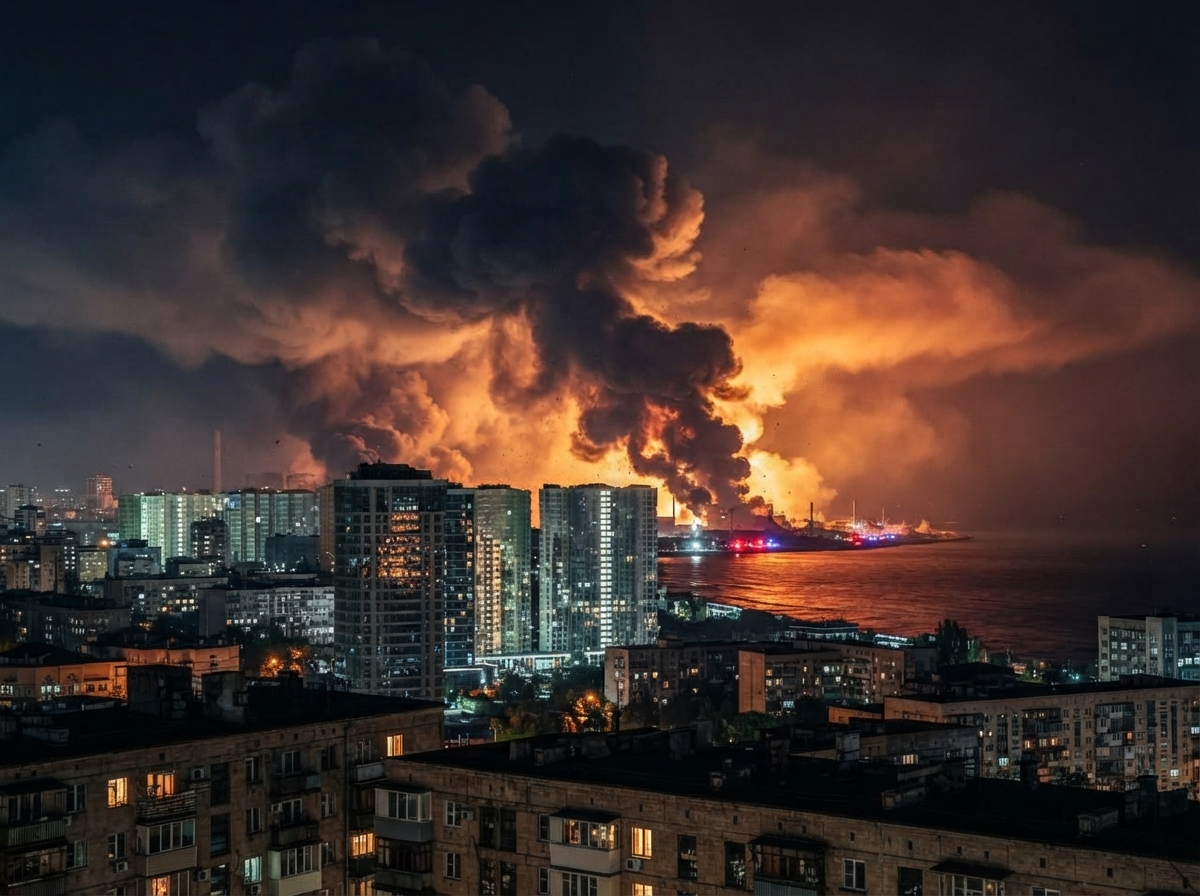
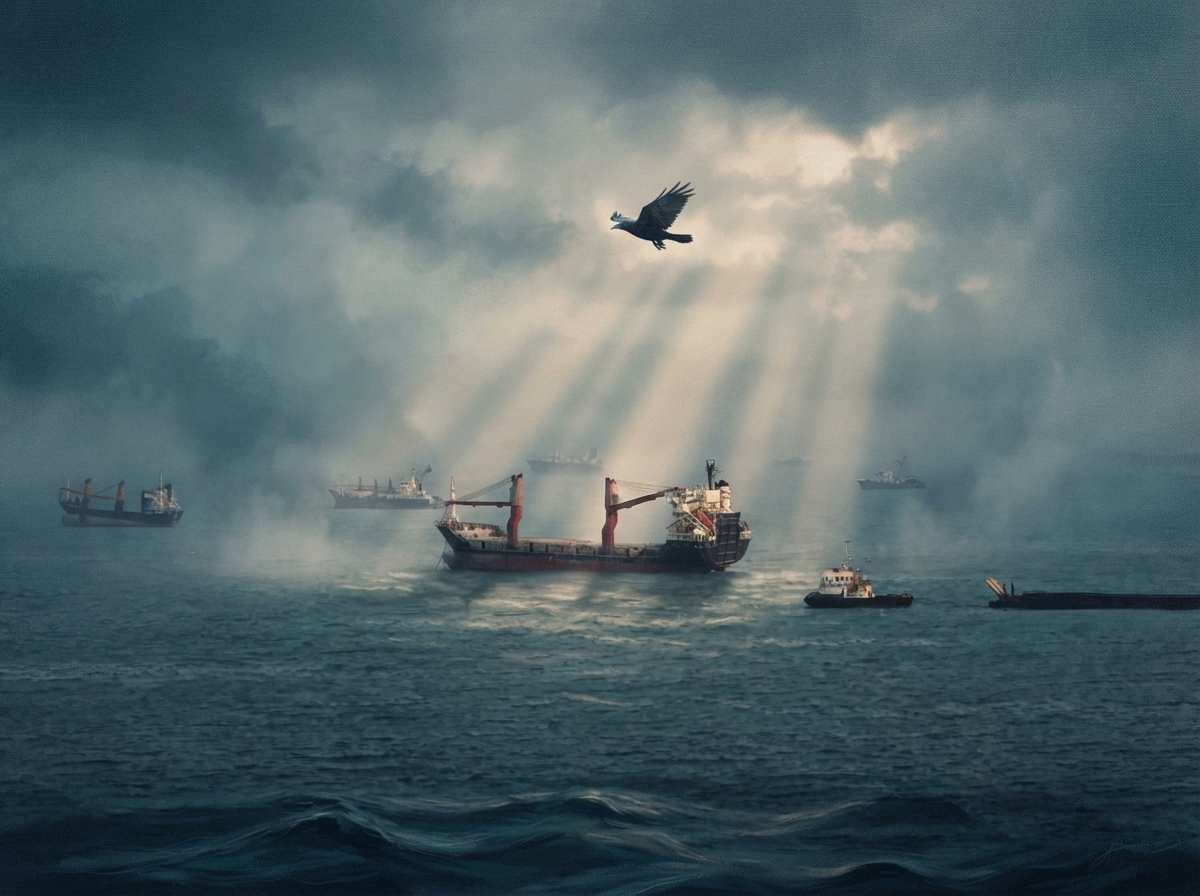
Nearly six months into the war between the U.S., Israel, and Iran, the two sides are neither exchanging fire nor pursuing peace talks, according to NBC News, which cited Reuters. Oil shipments through the Strait of Hormuz have virtually halted, with Tehran maintaining leverage by threatening to strike unauthorized tankers attempting to transit the waterway, per the same report.
Treasury Secretary Scott Bessent’s Monday announcement of new sanctions targeted 60 individuals, entities, and vessels, but notably did not include any Chinese financial institutions suspected of facilitating Iran’s oil trade, according to CBC News, which cited Reuters. Asked directly about Chinese banks, Bessent said, “no one is above the reach of U.S. sanctions.” CNN reported Bessent separately warned that groups helping Tehran launder money face expulsion from the U.S. financial system, while stopping short of imposing the largest penalties threatened in the lead-up to the announcement.
Daniel Tannebaum, a partner at Oliver Wyman, told CBC News that the U.S. government has never gone hard on economic sanctions targeting China directly, a caution reflected in the exclusion of Chinese banks from Monday’s list. CNN’s reporting detailed the scale of what’s actually at stake with Iran’s other trading partners: Turkey conducted more than $5 billion in bilateral trade with Iran in 2024 and imported 13% of its natural gas from Iran last year, according to Turkey’s Ministry of Foreign Affairs, while Iraq remains dependent on Iranian electricity and gas, and India’s trade with Iran has fallen to around $1.6 billion in 2025-2026, per India’s Department of Commerce.
Iran’s response has combined defiance with signs of strain. CBC News reported Iran’s Finance Minister Ali Madanizadeh said Tehran is “fully prepared” to counter the sanctions, while top negotiator Mohammad Bagher Ghalibaf dismissed the U.S. threats outright. U.S. News, citing Reuters, reported Iran’s Foreign Minister called the sanctions threat a sign of American desperation days before the announcement. CNN reported that Iran’s currency has fallen to a record low against the dollar amid the pressure, even as President Trump continued to insist that Iran is “collapsing.”
Not every signal points toward pure confrontation. President Masoud Pezeshkian said Iran should consider ending the war now, while it holds what he described as strength and international acknowledgment of its position, according to comments carried by the ISNA news agency and cited by U.S. News. Separately, CNN reported that Iran and Oman outlined a proposal this week for a temporary shipping corridor through the Strait of Hormuz, including a “phased framework” to help clear mines from the waterway, according to a joint statement from the two countries’ foreign ministries.
Defiance Is Cheaper Than Capitulation, Even When It’s Losing
The gap between Iran’s public rhetoric and its private economic reality is the story here, and it’s not actually a contradiction, it’s a strategy. A government facing a record-low currency and an economy under sustained pressure has far more to lose politically from looking like it capitulated to Washington than it does from absorbing another round of sanctions on entities it can route around, especially when its largest customer, China, remains untouched by Monday’s list. Ghalibaf dismissing the threats and Madanizadeh declaring readiness aren’t signs Tehran believes it’s winning, they’re signs Tehran has calculated that domestic political survival requires looking unbroken, regardless of what the currency chart says.
The Iran-Oman shipping corridor proposal is the detail worth watching most closely, because it’s the first concrete sign of de-escalation on the ground rather than in a press statement. A negotiated, demined shipping channel would give Iran a way to claim it never truly closed Hormuz while quietly restoring some oil-trade normalcy, and it would let Washington claim credit for pressure that forced Tehran to the table, even if the deal was brokered through Muscat rather than direct talks. Both governments get a face-saving off-ramp without either having to admit it’s an off-ramp. Watch that corridor proposal closely; it may end up mattering more to how this war actually ends than anything said at Bessent’s podium.