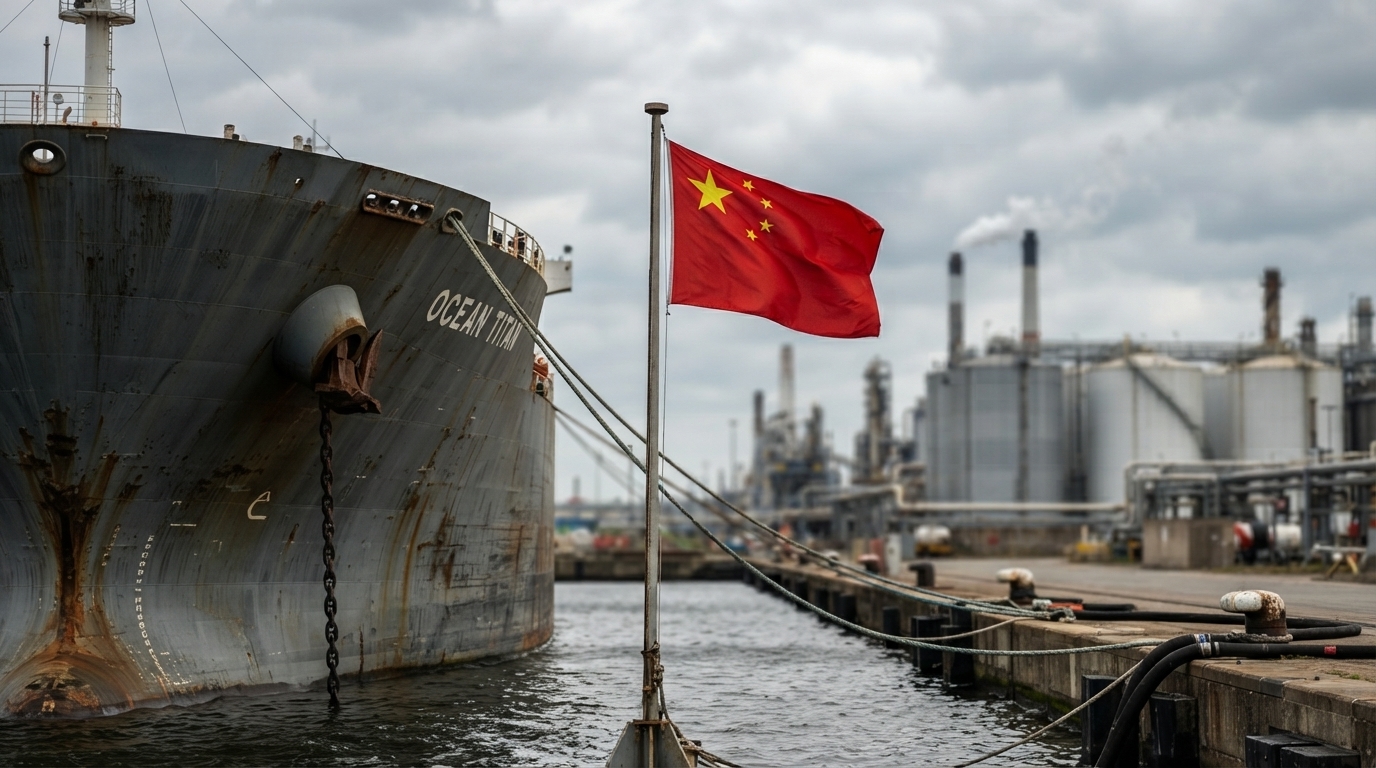
Washington keeps announcing bigger, scarier-sounding sanctions campaigns against Iran. China keeps buying Iranian oil anyway – and for the first time, it’s telling its own companies to ignore the sanctions entirely rather than quietly comply like it used to.
The Standoff
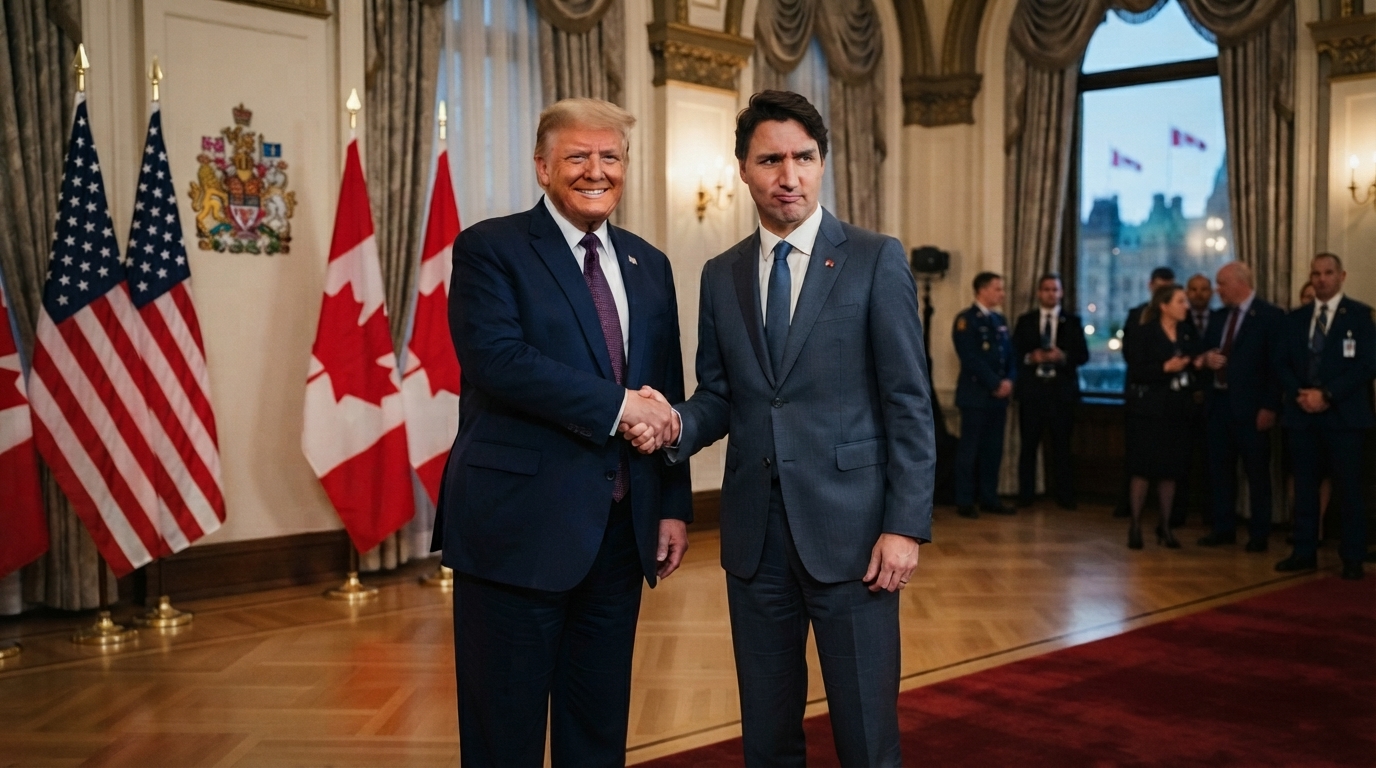
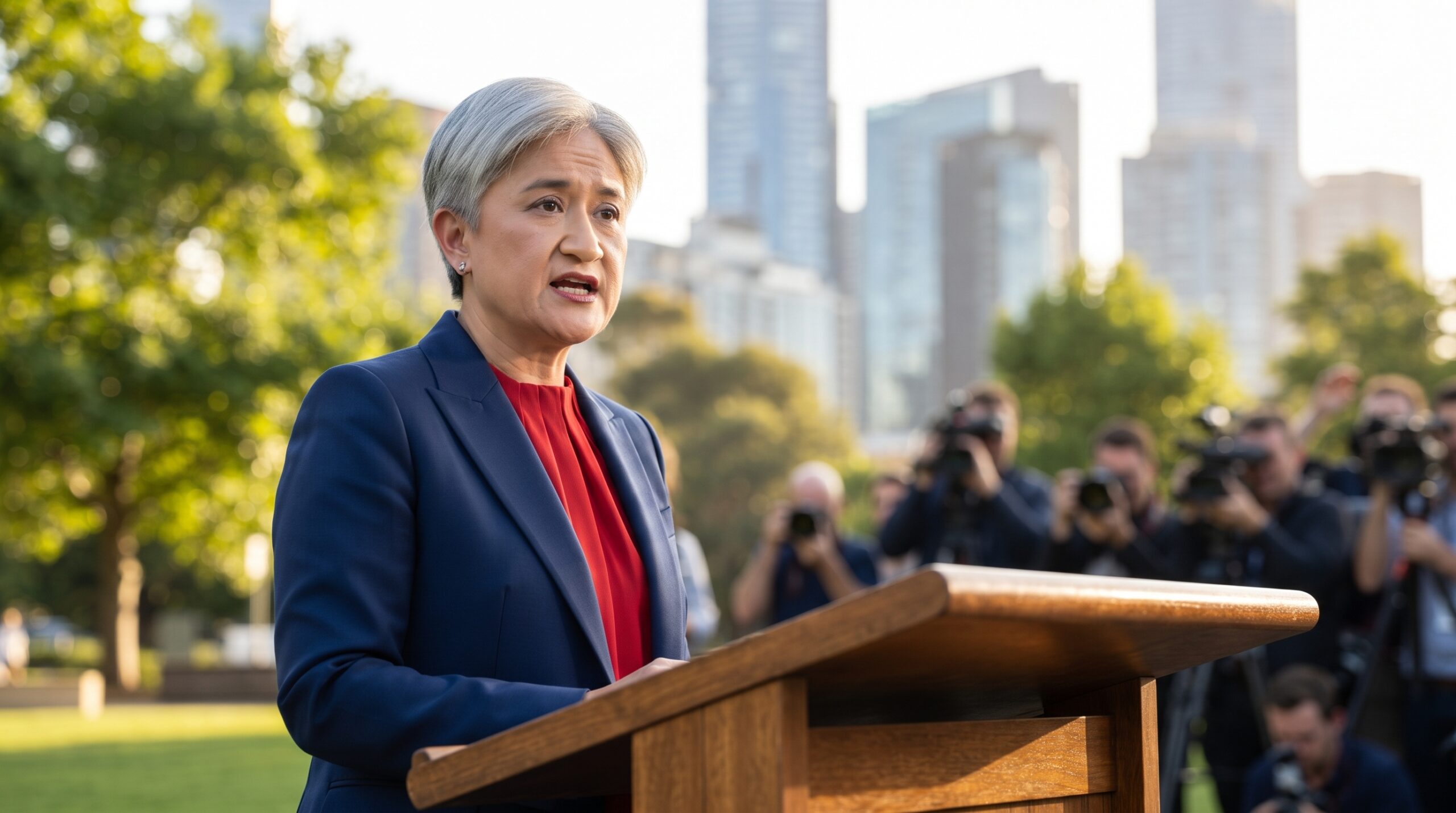
Treasury Secretary Scott Bessent held a press conference Monday to announce further sanctions under the Trump administration’s “Operation Economic Outcast” campaign, but stopped short of announcing broad measures against any specific nation, according to CNN. Bessent described the announcement as a “warning shot.” China’s Foreign Ministry spokesman Lin Jian responded the same day, saying sanctions and pressure tactics do not help resolve issues and will only lead to escalation that serves no one’s interest, CNN reported.
China remains by far the largest buyer of Iranian crude. One analysis cited by CNN found Tehran likely shipped between $3.9 billion and $4.2 billion worth of oil in September 2025 alone, with China purchasing the vast majority of it. Still, China has already scaled back its purchases: Iranian crude imports averaged around 1.4 million barrels per day before the current war began but have fallen to roughly 700,000 barrels per day in recent months, according to Emma Li of energy analytics firm Vortexa, cited by CNN. Daniel Tannebaum, a nonresident senior fellow at the Atlantic Council, told CNN that China is “by far, the most impactful” lever if the U.S. genuinely wants to choke off Iran’s ability to finance its activities.
The dispute predates Monday’s announcement. According to Fortune, Beijing directed Chinese companies in May not to comply with U.S. sanctions targeting private refiners linked to Iranian oil purchases, including Hengli Petrochemical, one of China’s largest private refiners with a daily capacity of around 400,000 barrels. Cui Fan, a professor who has advised China’s Commerce Ministry, wrote in the state-run magazine China Report that the scope and methods of U.S. sanctions had become increasingly heavy-handed, warning they risked disrupting China’s energy security if left unchecked, according to Fortune’s translation. A commentary on the Communist Party’s People’s Daily app called Beijing’s move a “pivotal step” against what it termed the “long-arm jurisdiction” of the United States, Fortune reported.
The Week detailed the specific targets of the U.S. sanctions campaign that triggered China’s response: four so-called “teapot” refiners in Shandong province, Shandong Jincheng Petrochemical Group, Hebei Xinhai Chemical Group, Shouguang Luqing Petrochemical, and Shandong Shengxing Chemical, alongside Hengli Petrochemical. Companies placed under these sanctions risk being cut off from the dollar-denominated financial system, according to The Week’s reporting.
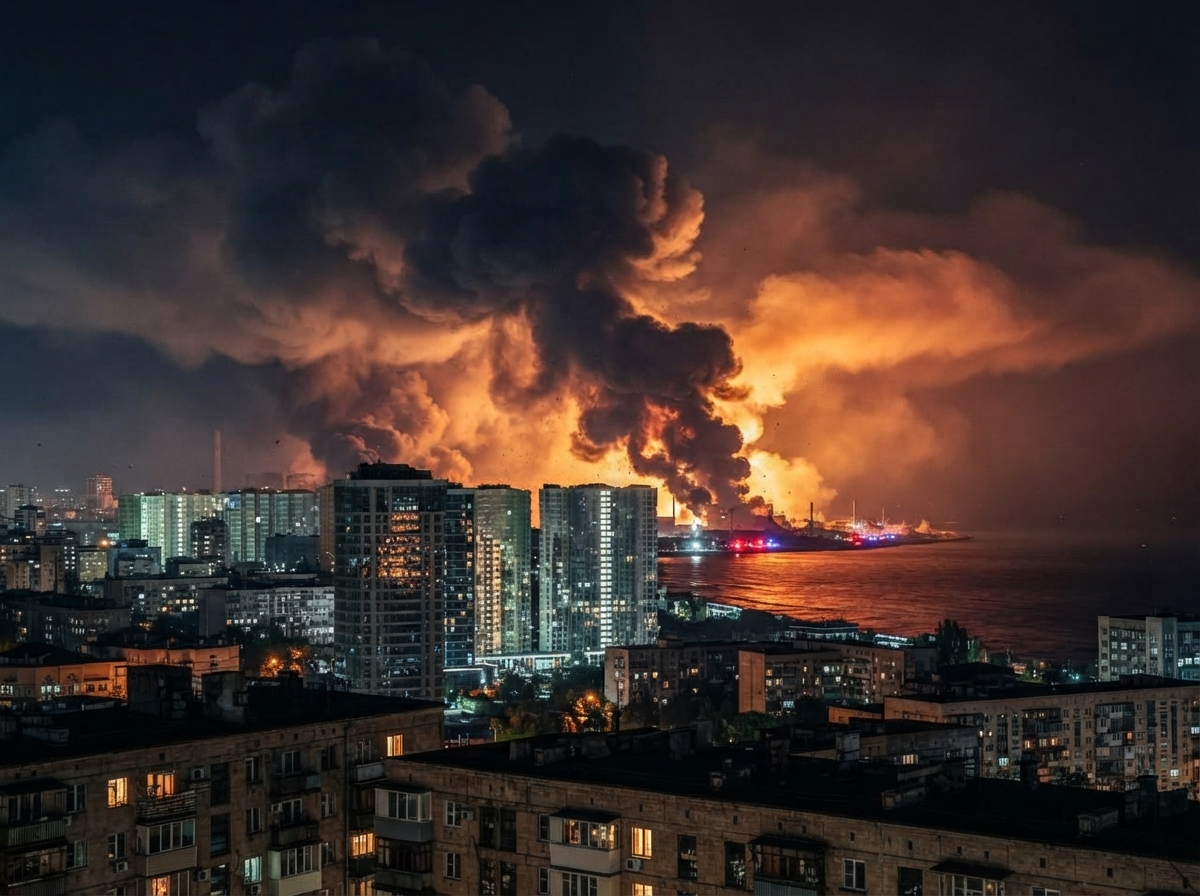
CNN also reported that 38% of China’s oil imports and 23% of its liquefied natural gas transit through the Strait of Hormuz, a chokepoint at the center of the broader Iran war, according to an April Nomura report — meaning China has significant exposure to the same conflict driving the sanctions campaign it’s now resisting. CNN’s live coverage Monday noted that new sanctions also affected people in the U.S. sending money to family members in Iran, and suspended amateur and professional sports activities and academic exchanges between the two countries.
Washington’s Sanctions Strategy Has a China-Sized Hole in It
The pattern across more than a year of U.S. sanctions on Iran’s oil trade is impossible to miss once you line the announcements up: individual refineries, individual tankers, individual shipping companies, each one targeted, each one generating a headline, and none of them touching the actual scale of the problem. Global News reported analysts describing this as a deliberate strategy of “minimal pressure,” avoiding sanctions on major Chinese banks specifically to avoid provoking Beijing into open retaliation. Monday’s announcement, per Bessent’s own description as a “warning shot” rather than a nation-level measure, fits that same cautious pattern. The gap between the rhetoric, “economic D-Day,” “most crushing financial offensive ever marshaled,” and the actual targets named so far keeps getting wider.
What changed in May is the part that should actually worry U.S. policymakers: China didn’t just keep buying Iranian oil quietly, the way it effectively always has. It explicitly told its own companies to defy the sanctions. That’s a different category of response than passive noncompliance, it’s active defiance, dressed up domestically as resistance to “long-arm jurisdiction.” With a Trump-Xi meeting reportedly on the calendar and a fragile trade truce already in place from last year’s tariff war, Washington is now stuck choosing between two bad options: escalate sanctions against China directly and risk blowing up that truce, or keep sanctioning smaller entities that China has already signaled it will shield. Judging by Monday’s relatively restrained announcement, the administration has already made its choice, and it isn’t the confrontational one its own press releases keep promising.