
Canberra says Israel’s own investigation into an aid worker’s death “falls far short” of accountability. Here’s what actually happened, and why it matters beyond one diplomatic meeting.
On Thursday, Israel’s ambassador to Australia, Hillel Newman, was called into Parliament House in Canberra for what local media are calling a “diplomatic dressing down.” The trigger: Israel’s military had just announced that it would not pursue criminal charges against the soldiers responsible for a 2024 airstrike that killed Australian aid worker Zomi Frankcom.
It’s a small diplomatic episode on paper — an ambassador summoned, a statement issued, no expulsion, no sanctions. But it says a lot about where the Israel-Australia relationship stands after nearly two years of strain, and about a pattern playing out across several Western democracies that once gave Israel the benefit of the doubt on Gaza.
What actually happened
Zomi Frankcom was one of seven aid workers from World Central Kitchen killed in an April 2024 Israeli strike on their convoy in Gaza. The killing drew international condemnation at the time, including from the Biden administration, and Israel promised a full investigation.
More than two years later, Israel’s military said it had reviewed 150 separate incidents involving troop conduct in Gaza, including the Frankcom strike, and concluded there was no reasonable basis to open a criminal investigation against the commanders involved. The announcement landed on World Humanitarian Day — timing that Australian officials said made the news especially painful for the Frankcom family.
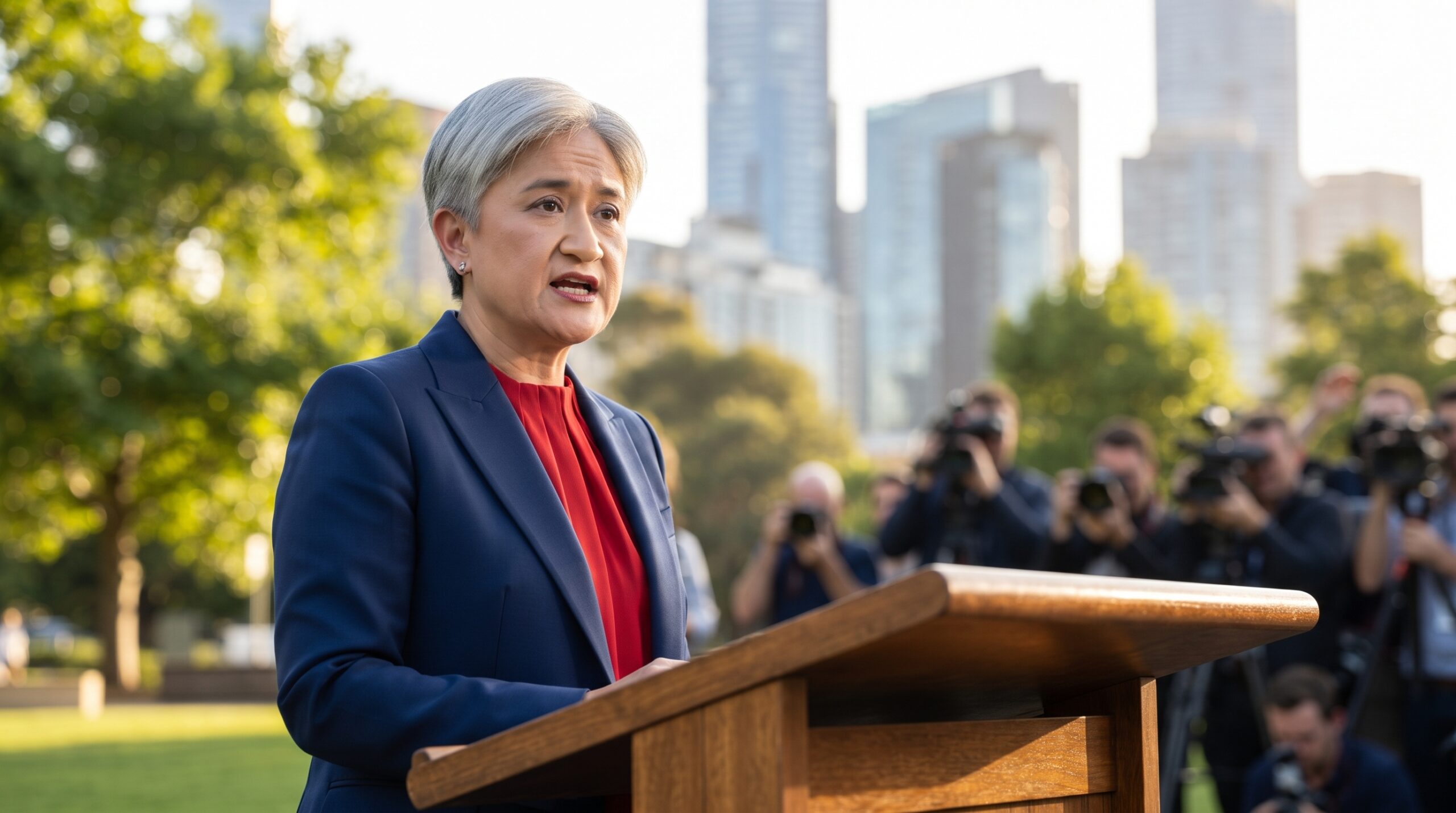
Foreign Minister Penny Wong said her government learned of the decision only moments before it became public. She summoned Newman to Parliament House and told him directly that the outcome fell short of what Australia expects from what she called a fellow democracy. Prime Minister Anthony Albanese echoed the criticism, saying Israel had not met the standard of accountability the situation required.
Newman, for his part, expressed sorrow for Frankcom’s death but stopped short of a formal apology, citing potential legal exposure. He also pointed to what Israel says were irregularities in the aid convoy itself — armed personnel on board without prior notice, and a deviation from the pre-approved route — as context for how the strike happened.
Why Australia didn’t go further
Despite the sharp language, Wong explicitly ruled out expelling Newman from Australia, even as pressure to do so has grown. Her reasoning was practical rather than diplomatic theater: cutting the ambassador off removes Canberra’s ability to keep pressing Israel on issues that matter to Australian interests. It’s a distinction worth noting — Australia is escalating its rhetoric while deliberately preserving the channel to keep influencing Israel from the inside.
That balancing act is itself the story. Wong’s own description of the relationship — now in “difficult” territory — reflects a government trying to signal genuine anger without triggering a full diplomatic rupture that would cost Canberra its remaining leverage.
The bigger pattern this fits into
Australia is not acting in isolation. Over the past year, several traditionally pro-Israel democracies — including Canada, the UK, and parts of the EU — have taken incrementally harder positions on Gaza policy, arms sales, and now accountability for specific incidents involving their own citizens or aid workers. The Frankcom case is unusual in that it involves a named Australian citizen killed while doing humanitarian work, which makes it far harder for Canberra to treat as a distant foreign policy issue.
For Israel, each of these episodes chips away at a coalition of Western governments it has historically relied on for diplomatic cover at the UN and in multilateral forums. No single ambassador summons changes that calculus. But taken together with similar frictions elsewhere, it points to a steady erosion of unconditional Western backing — replaced by a more transactional, case-by-case relationship where individual incidents like Frankcom’s death now carry real diplomatic weight.
What to watch next
Wong has directed Australia’s ambassador in Israel to formally convey Canberra’s position to the Israeli government, and said further steps are under consideration. Whether that means anything beyond continued rhetorical pressure — visa restrictions, arms-related measures, or further downgrades in cooperation — will be the real test of how far this fallout goes. For now, Australia has chosen criticism over rupture, but the Frankcom case has clearly moved the relationship into territory neither government controls entirely on its own.