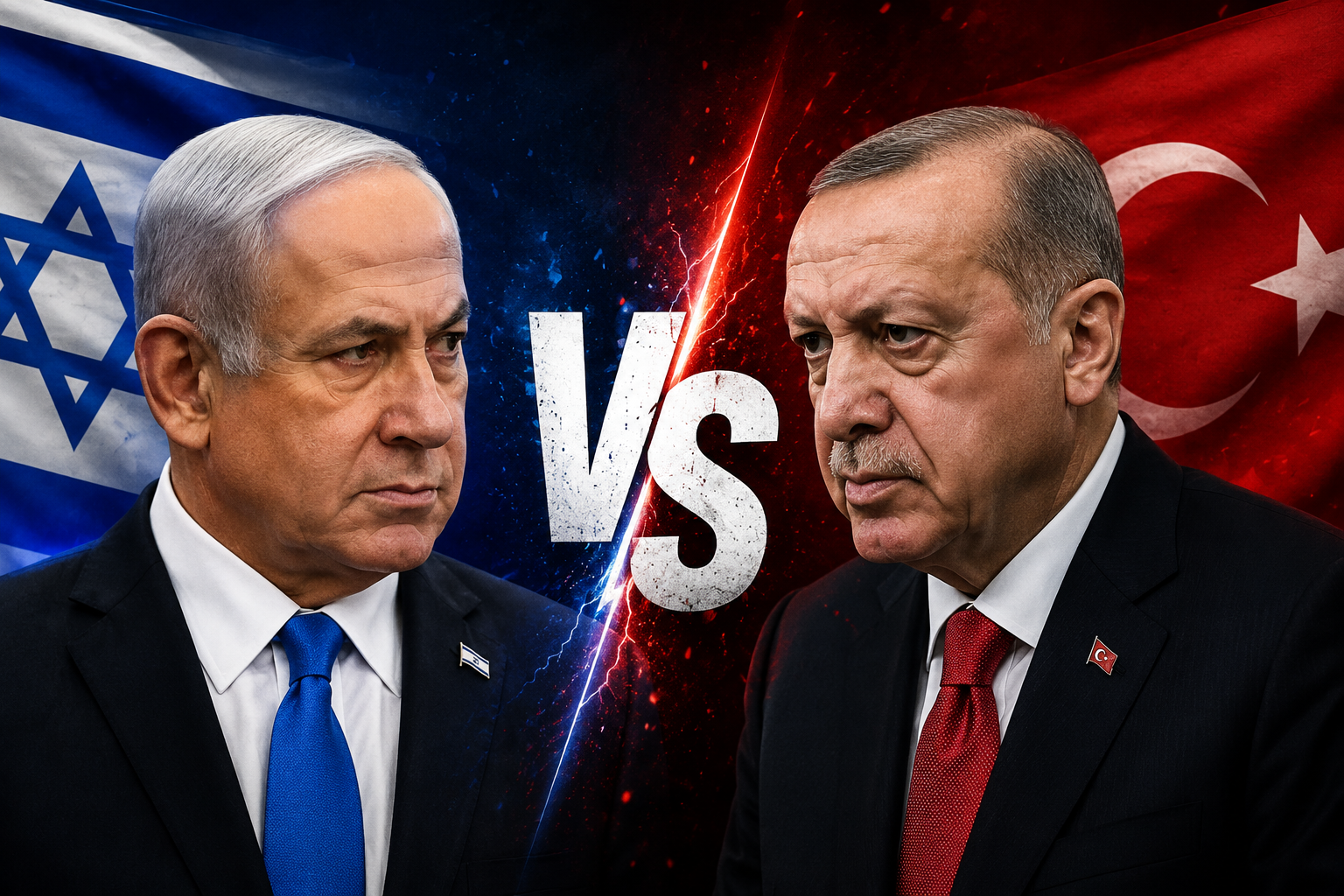
August 20, 2026 — Tensions between Israel and Turkey over Syria sharpened this week after Israeli airstrikes hit the Abu al-Duhur military airbase in Syria’s Idlib province, with officials from both countries publicly trading accusations over the incident.
The Strike
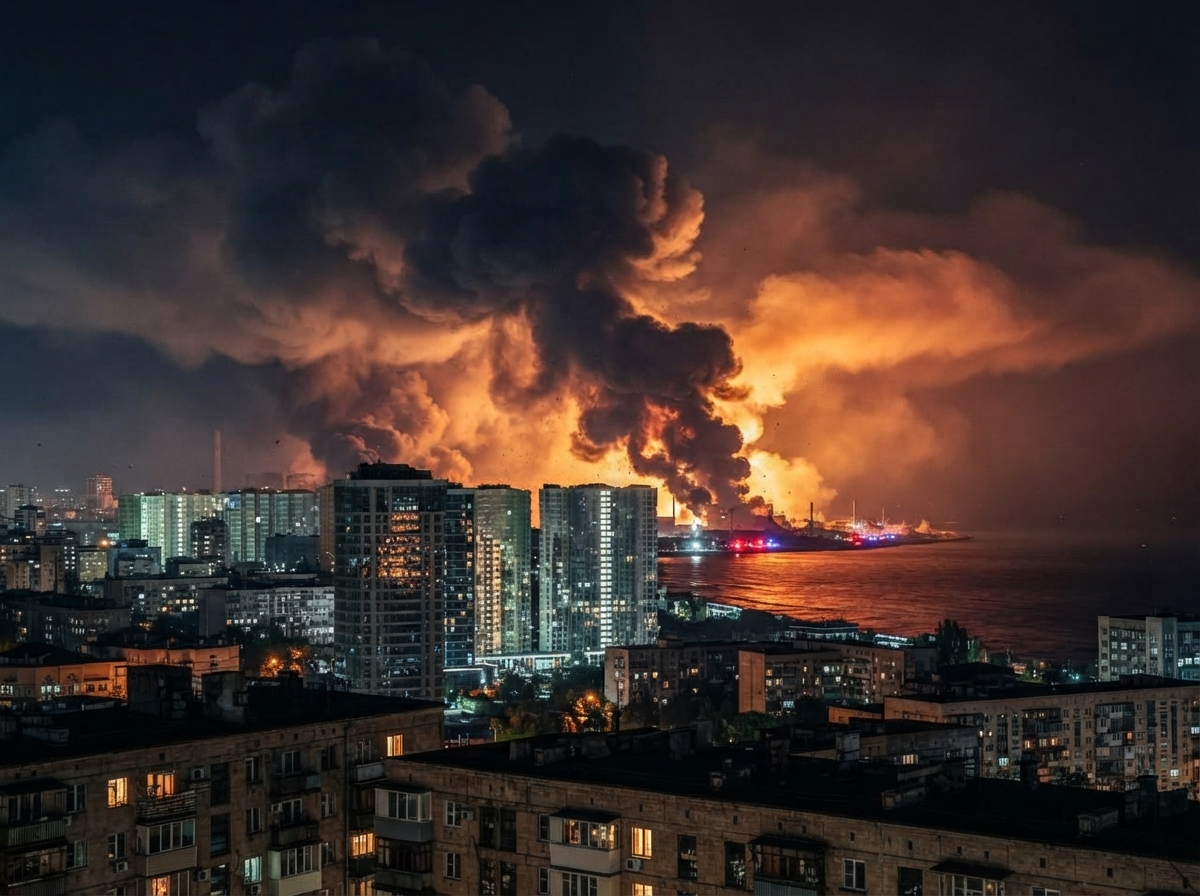
Israeli aircraft struck the Abu al-Duhur airbase overnight between August 17 and 18. Syrian state media reported eight strikes hit the base’s runway and storage facilities. Syrian and local sources said there were no casualties. The strike was reportedly Israel’s first on Syrian government assets since March.
Israel said the strike was intended to prevent Turkish forces from deploying at the base. Turkey has close ties with Syria’s post-Assad government and has been providing assistance to the country’s military.
Syria’s foreign ministry condemned the strikes, saying continued Israeli attacks since December 8, 2024, undermine efforts by Damascus to consolidate stability and avoid escalation. Syria’s state news agency SANA carried the statement.
Israeli Statements
Israeli Prime Minister Benjamin Netanyahu said Wednesday that Israel had warned Turkey in advance against military activity in Syria before carrying out the strike on the airbase Ankara had been eyeing.
Israeli Defense Minister Israel Katz said Turkish President Recep Tayyip Erdogan was pulling Turkey into dangerous ventures in Syria, and said Israel would not allow any actor to threaten its security.
Reuters reported that days before the strike, Mossad chief Roman Gofman spoke with Syrian Foreign Minister Assad al-Shaibani and conveyed Israel’s concerns about Turkey’s presence in the country. Shaibani also met with U.S. envoy Tom Barrack in Turkey on August 17, hours before the strike took place.
Turkish Statements
Turkey’s presidency rejected Israel’s characterization of the situation, saying Netanyahu’s remarks reflected an intention to pursue expansionist and destabilizing policies ahead of Israeli elections. Turkey’s presidency added that lasting regional peace could only be achieved if Israel abandoned what it called aggressive and coercive policies.
Turkish media reports in the weeks prior to the strike had already indicated rising tensions between Ankara and Israel.
U.S. Role
Tom Barrack, the U.S. special presidential envoy for Syria and Iraq and ambassador to Turkey, said Washington was working to establish a formal deconfliction mechanism involving Turkey, Israel, and Syria. Barrack said Turkey had not been warned in advance about the Israeli strike and had observed Israeli aircraft heading toward Turkish territory, which he said gave Ankara reasonable grounds to prepare its own response. He said the situation was kept from deteriorating further because officials worked to contain the tensions.
Barrack said the U.S. was deeply concerned by the strikes. Washington currently facilitates information-sharing and dialogue between the parties, and the incident has increased pressure for a more structured mechanism.
Background
Tensions between Israel and Turkey over Syria have grown since the fall of the Bashar al-Assad government in December 2024. Turkey has emerged as one of the main supporters of Syria’s current president, Ahmed al-Sharaa. Israeli officials have previously described al-Sharaa, who formerly led al-Qaeda’s branch in Syria before heading Hayat Tahrir al-Sham, in critical terms.
A previous flashpoint between the two countries centered on Syria’s T4 airbase, which led Israel and Turkey to establish a communication channel in 2025 aimed at preventing their forces from unintentionally colliding in Syrian airspace. The U.S. has also sought to bring Syria and Israel into trilateral talks, including a meeting between the three countries in January.